
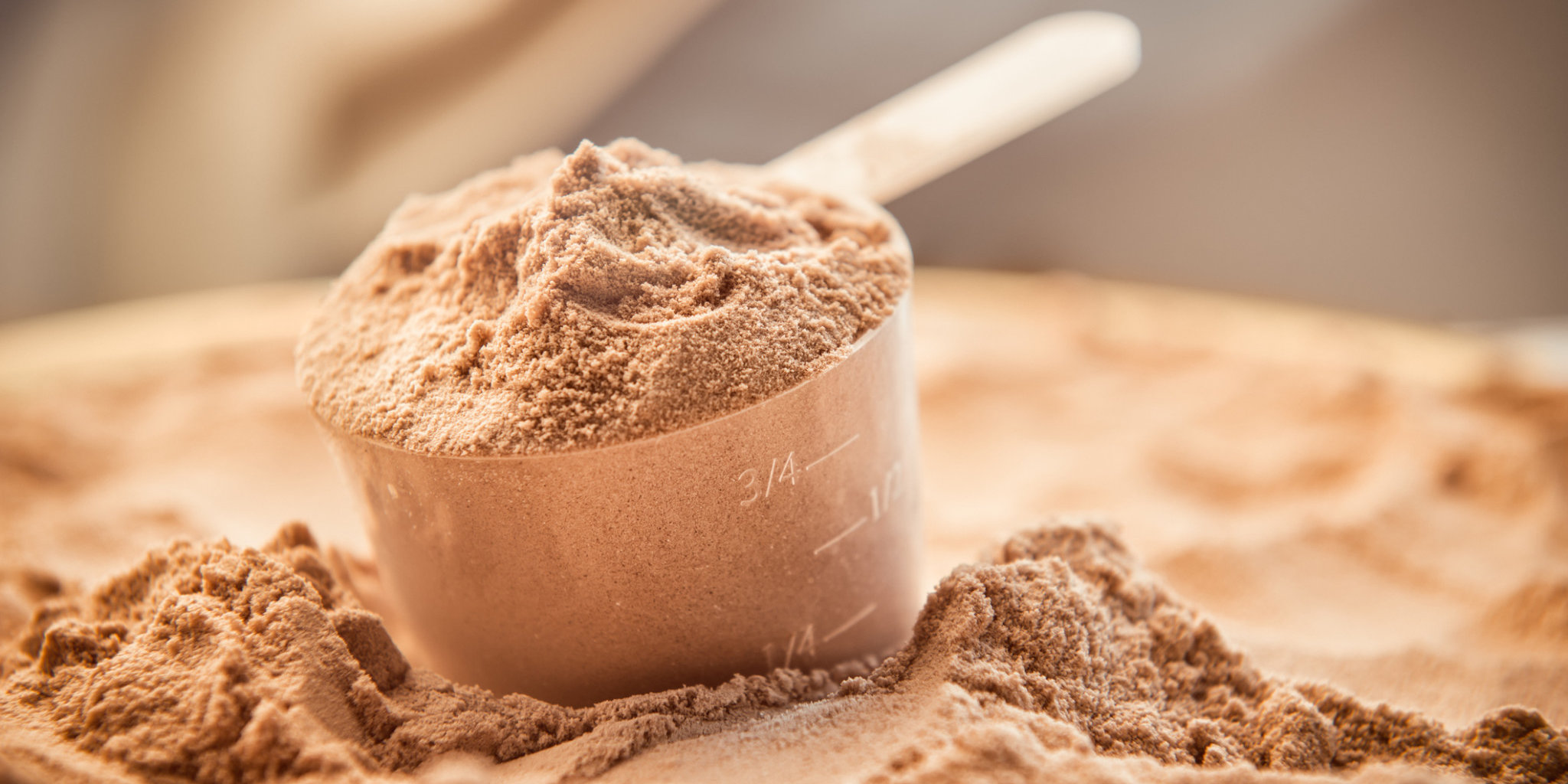
Understanding Protein Intake: Is Too Much Protein Really Harmful?
Concerns about protein intake often appear in headlines suggesting that people may be consuming too much protein—particularly from protein powders. Articles questioning whether high protein intake is dangerous frequently spark debate, but they do not always provide the full scientific context.
While excessive intake of almost any nutrient can be harmful, protein intake must be evaluated within recommended dietary ranges and overall health needs. Protein is an essential nutrient, and adequate protein intake is critical for maintaining muscle mass, supporting metabolism, and providing the body with essential amino acids.
Understanding how much protein people actually need—and whether protein powders contribute to excessive protein intake—requires looking at the broader scientific evidence.
Why Protein Intake Is Essential for Health
Protein is an essential macronutrient required for survival. The body needs protein to build and repair tissues, produce enzymes and hormones, and maintain muscle mass.
The Institute of Medicine (IOM) recommends the following daily protein intake levels:
- 56 grams per day for adult men
- 46 grams per day for adult women
However, recommended protein intake can vary depending on calorie intake and lifestyle. The Institute of Medicine also defines an Acceptable Macronutrient Distribution Range (AMDR) for protein of 10–35% of total daily calories.
For someone consuming a 2,000-calorie diet, this translates to roughly:
- 50–175 grams of protein per day
This range highlights that healthy protein intake can vary widely depending on an individual’s diet, activity level, and energy needs.
Protein Needs Vary by Lifestyle and Activity
Human calorie and protein intake has historically been influenced by activity levels. In earlier periods of history, people often consumed far more calories—and therefore protein—than the modern standard diet.
For example, historical nutrition surveys of American farm families in the early twentieth century reported average daily intakes exceeding 4,000 calories, reflecting the demands of physically demanding labor.
Today, while average activity levels may be lower, protein intake remains important for maintaining metabolic health and muscle function.
Are Protein Powders a Problem?
Protein powders are sometimes portrayed as a recent trend, but they have existed for decades and are simply a convenient way to increase protein intake.
In many cases, protein powders can help people meet their nutritional needs, particularly when whole-food protein intake is limited. For example:
- Breakfast meals often contain low protein levels
- Many convenient breakfast options are high in carbohydrates or saturated fats
- Protein powders can provide a balanced protein source without excess calories
Research also suggests that evenly distributing protein intake throughout the day may support muscle protein synthesis more effectively than consuming most protein in a single meal.
Protein Intake During Pregnancy and Aging
Protein needs increase significantly during certain life stages.
Pregnancy and Lactation
The recommended dietary allowance for protein increases to approximately 71 grams per day for pregnant and breastfeeding women—about 54% higher than the standard recommendation for adult women.
Adequate protein intake during pregnancy is essential for fetal growth and maternal health.
Older Adults
Protein intake is also critical for aging populations. Older adults face an increased risk of sarcopenia, the age-related loss of muscle mass.
Higher protein intake may help support:
- Muscle preservation
- Strength maintenance
- Healthy aging
Understanding the Limits of Nutrition Research
Media reports sometimes rely heavily on small clinical trials or observational studies when discussing potential risks associated with protein intake. While such studies can generate useful hypotheses, they do not necessarily establish cause-and-effect relationships.
Large-scale reviews of the scientific literature generally show that moderate to high protein intake within recommended ranges is safe for healthy individuals.
As with all nutrients, balance and context are important when evaluating protein intake.
The Bottom Line on Protein Intake
Protein is a vital nutrient that plays a central role in maintaining overall health. While extremely excessive intake of any nutrient can potentially cause problems, most people benefit from ensuring they meet their daily protein needs.
For many individuals, protein powders and other convenient sources of protein can help support balanced nutrition—particularly when used as part of a healthy diet.
Understanding the science behind protein intake can help consumers make informed decisions about their nutrition without being misled by sensational headlines.
References
[1] Institute of Medicine. Dietary Reference Intakes for Energy, Carbohydrate, Fiber, Fat, Fatty Acids, Cholesterol, Protein, and Amino Acids. National Academies Press. 2005.
[2] Wolfe RR, Cifelli AM, Kostas G, Kim IY. Optimizing protein intake in adults: interpretation and application of the recommended dietary allowance compared with the acceptable macronutrient distribution range. Advances in Nutrition. 2017;8(2):266–275.
[3] Phillips SM, Fulgoni VL, Heaney RP, Nicklas TA, Slavin JL, Weaver CM. Commonly consumed protein foods contribute to nutrient intake, diet quality, and nutrient adequacy. The American Journal of Clinical Nutrition. 2015;101(6):1346S–1352S.
[4] Bauer J, Biolo G, Cederholm T, et al. Evidence-based recommendations for optimal dietary protein intake in older people. Journal of the American Medical Directors Association. 2013;14(8):542–559.
[5] Hudson JL, Parnell JA, et al. Protein distribution across meals and its association with muscle protein synthesis. Journal of Nutrition. 2020;150(5):1149–1157.