
A Smarter Way to Clean: Green Cleaning Tips for Modern Homes
Keeping your home clean shouldn’t come at the expense of your health or the environment. Green cleaning focuses on using non-toxic, environmentally friendly practices that help reduce chemical exposure while maintaining a truly clean living space. These green cleaning tips can help improve indoor air quality, support family health, and create a safer home environment.
Why Green Cleaning Matters for Your Health and the Planet
Conventional cleaning products can negatively impact both human health and the environment. From chemical manufacturing and plastic packaging to everyday use inside your home, many traditional cleaners contribute to indoor air pollution and increased toxic exposure. Switching to green cleaning practices is one of the easiest ways to create a healthier home while supporting environmental sustainability.
Simple Green Cleaning Tips for a Cleaner, Healthier Home
Start With Green Cleaning Products
One of the most effective steps you can take is choosing green cleaning products made with natural, non-toxic ingredients. These products are designed to clean effectively without introducing harmful chemicals into your home. By switching to safer alternatives, you can significantly reduce your family’s exposure to toxins while still maintaining a clean space.
Improve Indoor Air Quality
Indoor air can often be more polluted than outdoor air. To improve air quality in your home, open windows whenever possible, replace heating and air-conditioning filters regularly, and have air ducts cleaned annually. These simple steps help reduce dust, allergens, and chemical buildup indoors.
Avoid Antibacterial Cleaners
Antibacterial soaps and cleaners may sound appealing, but research shows they are no more effective than regular soap and water. According to the FDA, widespread use of antibacterial products may also contribute to antibiotic-resistant bacteria, making them an unnecessary—and potentially harmful—choice for everyday cleaning.
Skip Artificial Fragrances
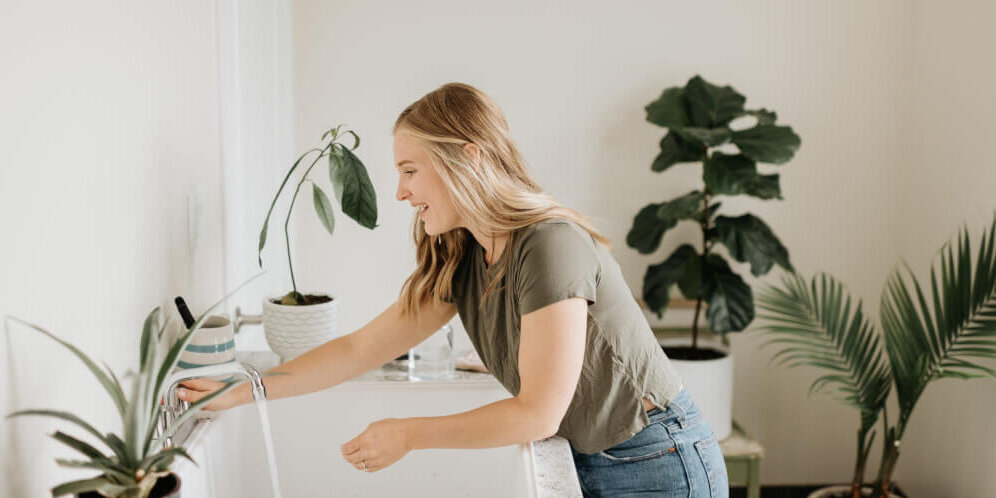
Many synthetic fragrances contain chemicals that can trigger sensitivities or irritate the respiratory system. Instead, opt for natural scents like lavender, cinnamon, or cloves. Houseplants can also help reduce indoor pollutants while adding a natural, calming element to your space.
Dispose of Toxic Household Waste Properly
Items such as old paint, cleaning products, batteries, light bulbs, and unused prescription medications should never be thrown in the regular trash. Check with your local waste management or environmental agencies for proper disposal options to prevent harmful chemicals from entering the environment.
Leave Shoes at the Door
Shoes track in chemicals from everywhere you walk—gas stations, sidewalks, lawns treated with pesticides, and more. Creating a shoes-off policy at home is a simple, effective way to reduce the amount of toxins brought into your living space.
A Cleaner Home Without the Toxic Burden
The good news is that keeping your home clean doesn’t require harsh chemicals. By adopting preventive habits and choosing environmentally friendly cleaning products, you can maintain a healthier home while protecting both your family and the planet.
Source:
[i] U.S. Food & Drug Administration. Antibacterial Soap? You Can Skip It.