
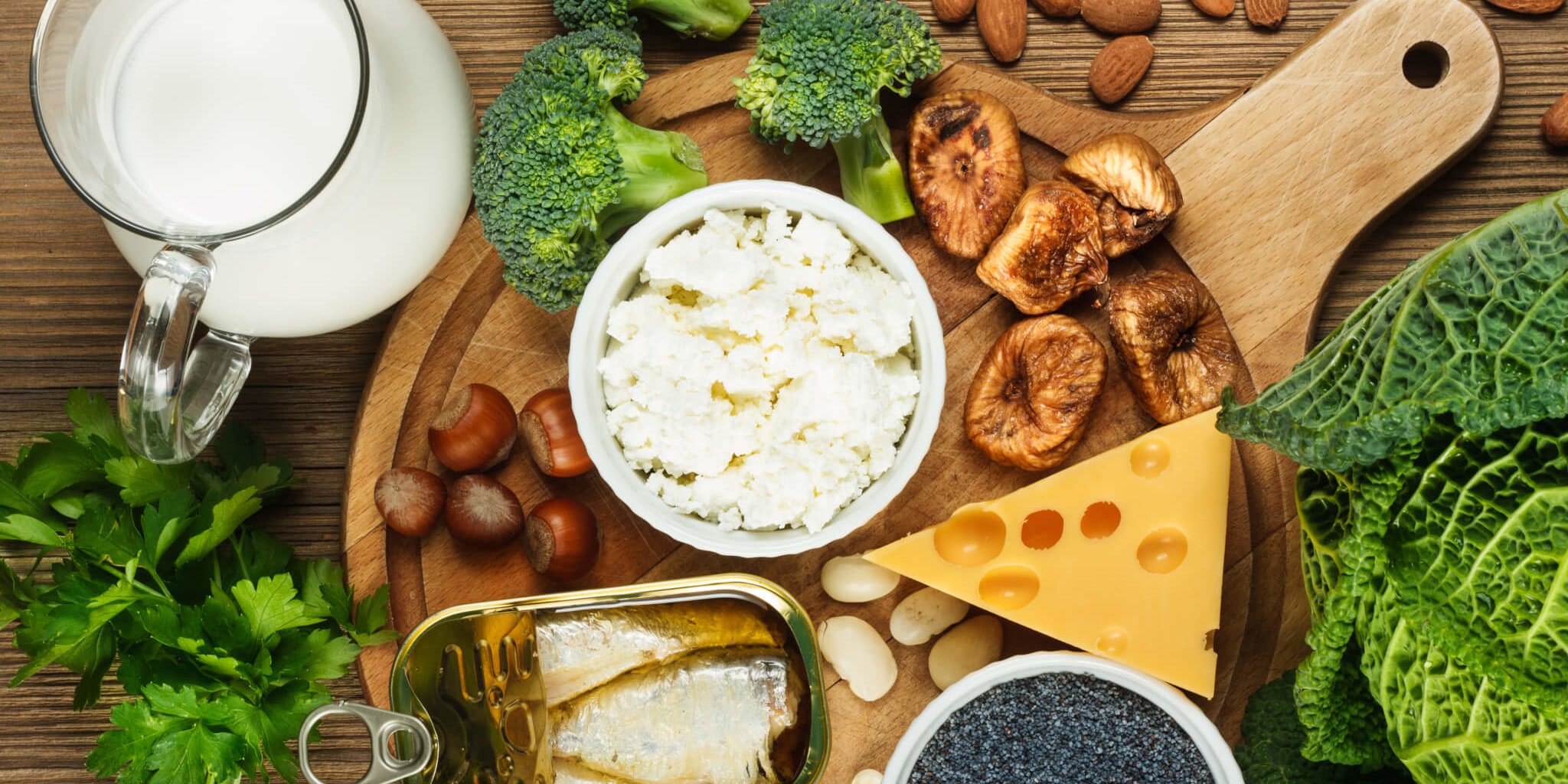
Calcium for Bone Health: Best Foods and Tips for Strong Bones
Shaklee is pleased to share trusted nutrition insights, with permission from the Harvard T.H. Chan School of Public Health, to help you lead a healthier life. This week, we’re exploring the importance of calcium for bone health and simple ways to build and maintain strong bones.
Calcium plays a vital role in building bone strength during childhood and helping slow bone loss as we age. Ensuring you get enough calcium for bone health throughout your life is key to long-term wellness.
Why Calcium for Bone Health Matters
Calcium is essential for maintaining strong bones and overall skeletal health. While many people associate calcium with dairy, there are plenty of other nutrient-rich sources that can support your daily intake.
In fact, non-dairy foods like leafy greens, fortified plant milks, and beans can provide excellent sources of calcium. Pairing calcium with vitamin D is especially important, as vitamin D helps your body absorb calcium more effectively.
Best Food Sources of Calcium
Non-Dairy Sources of Calcium
You don’t have to rely solely on dairy to meet your calcium needs. Some great options include:
- Collard greens and bok choy
- Broccoli and leafy green vegetables
- Fortified soy milk
- Beans and tofu
These foods also provide additional nutrients like vitamin K, which supports bone health.
Calcium and Vitamin D Together
For optimal calcium for bone health, it’s important to combine calcium intake with enough vitamin D. Consider a multivitamin or supplement that provides around 1,000 IU of vitamin D daily, depending on your needs.
5 Tips to Support Calcium for Bone Health
1. Look Beyond the Dairy Aisle
Limit dairy to one or two servings per day and include a variety of non-dairy calcium sources like greens, beans, and fortified foods.
2. Get Enough Vitamin D
Vitamin D is essential for helping your body absorb calcium. Aim for adequate daily intake through sunlight, food, or supplements.
3. Stay Active
Weight-bearing exercises like walking, jogging, and strength training help build and maintain strong bones.
4. Avoid Excess Vitamin A (Retinol)
Too much retinol (vitamin A) from fortified foods may weaken bones. Choose products with beta-carotene instead when possible.
5. Help Kids Build Strong Bones Early
Childhood and young adulthood are critical for building peak bone mass. Encourage healthy habits like proper nutrition and regular exercise early on.
Final Thoughts on Calcium for Bone Health
Getting enough calcium for bone health is essential at every stage of life. By combining a balanced diet, proper supplementation, and an active lifestyle, you can support strong bones for years to come.
You can read more about calcium on the Harvard School of Public Health blog here.