
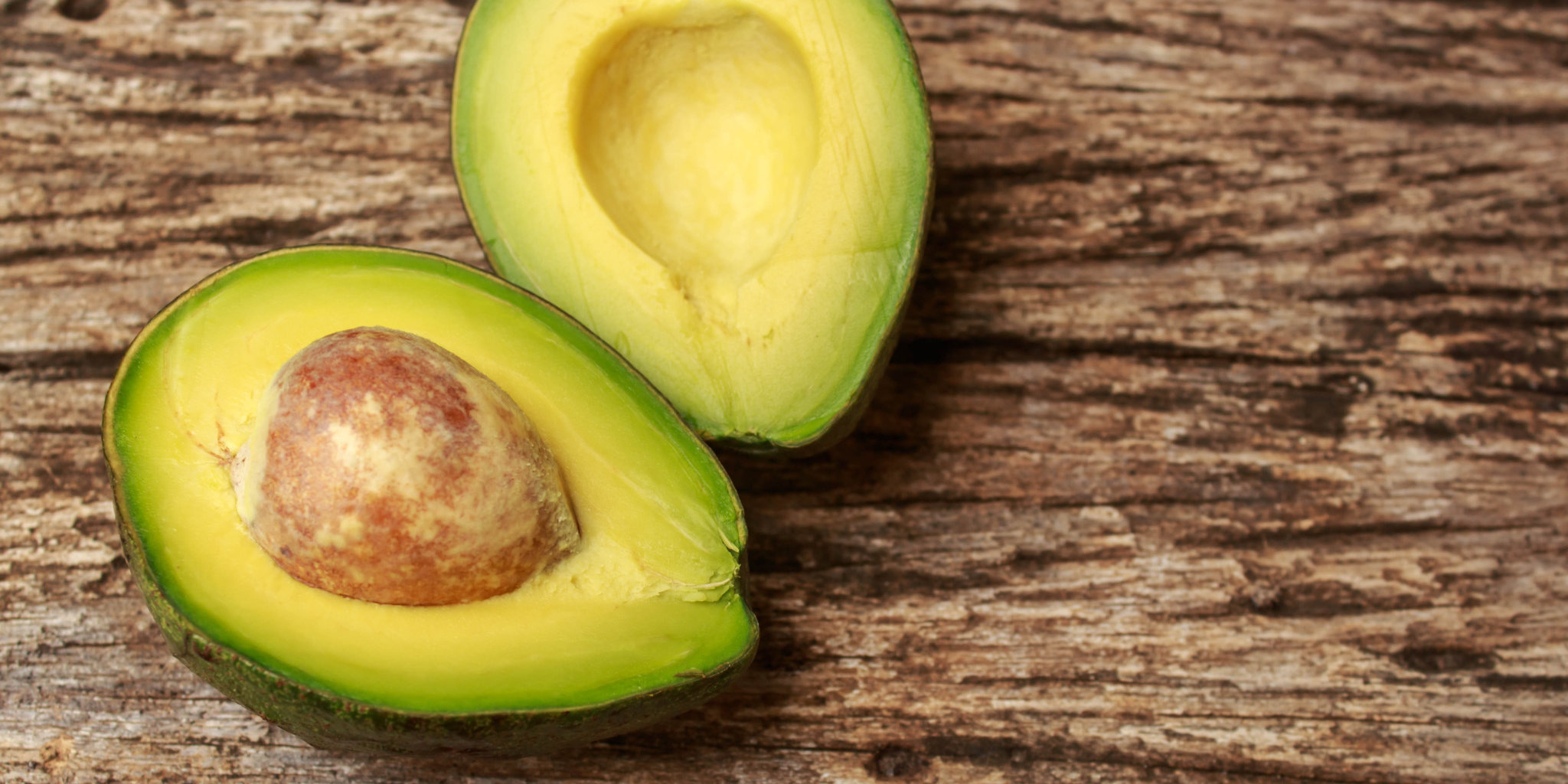
Avocado Ice Cream, Anyone?
Avocados may be best known for guacamole, but this creamy, nutrient-dense fruit is far more versatile than many people realize. From savory dishes to unexpected sweet treats, avocados bring both flavor and nourishment to the table.
If your first thought when you see an avocado is tortilla chips instead of ice cream, you’re not alone. Guacamole has long been a beloved staple. But beyond the dip bowl, avocados shine in a wide range of recipes — and every serving delivers valuable nutrients that support overall wellness.
A Surprisingly Versatile Superfood
Avocados can be used in dips, sauces, smoothies, salads, sandwiches, and baked goods. They also work beautifully as a butter or fat substitute and can be mashed for baby food. Thanks to their naturally creamy texture, they even make a rich, satisfying base for dairy-free desserts like avocado ice cream.
No matter how you enjoy them, avocados add both flavor and functional nutrition to your diet.
A Nutrient-Rich Addition to Your Plate
Avocados provide nearly 20 essential vitamins, minerals, and beneficial compounds. They are a good source of fiber, potassium, vitamin E, B vitamins, and folate. Naturally sodium- and cholesterol-free, avocados are also one of the only fruits that contain monounsaturated fats — often referred to as “good fats.”
Despite their richness, they’re relatively low in calories. One-fifth of a medium avocado (about one ounce) contains approximately 50 calories, making them an easy addition to balanced meals.
How to Get the Most Nutrition from an Avocado
For maximum nutritional benefit, peeling an avocado rather than scooping it out with a spoon is recommended. The highest concentration of beneficial plant pigments is found in the dark green flesh closest to the skin, which can be left behind when scooping.
While peeling takes a little more effort, it helps ensure you’re getting the full range of nutrients this fruit has to offer.
How to Ripen Avocados Naturally
If your avocado isn’t quite ready to eat, there are simple ways to speed up the ripening process:
Speeding Up the Ripening Process
Place the avocado in a plain brown paper bag and store it at room temperature (about 65–75°F). It will typically ripen within two to five days.
Adding an apple or kiwifruit to the bag can accelerate ripening. These fruits naturally release ethylene gas, which helps avocados mature more quickly.
Storing Ripe Avocados
Once ripe and slightly soft, avocados can be refrigerated for at least two additional days.
Only refrigerate avocados after they have ripened.