
Strong Bones, Strong Life: How to Protect Your Bone Health at Any Age
When you think about getting healthy, what comes to mind first? If you’re like many Americans, weight loss or lowering cholesterol may be top of mind. While those goals are important, maintaining strong bones is one of the most critical—yet often overlooked—foundations of lifelong health.
Your skeleton does far more than hold you upright. The 236 bones in your body protect vital organs, anchor muscles, and support everyday movement. Even more impressive, your bones are constantly rebuilding themselves. Peak bone density is typically reached in your 20s, making bone health a lifelong priority—especially as we age.
Why Bone Health Matters in the United States
Bone loss affects millions of Americans. Factors such as aging, menopause, smoking, eating disorders, and inactivity can accelerate bone loss, but both men and women are at risk.
According to the National Osteoporosis Foundation, osteoporosis affects 44 million Americans, and by age 50, half of all U.S. adults are expected to have low bone density or osteoporosis.
In recognition of Osteoporosis Awareness Month, here are the three most important ways to support strong, healthy bones.
Three Essential Ways to Keep Your Bones Strong
1. Consume Adequate Amounts of Calcium
Calcium is the primary building block of bone.
Daily calcium recommendations:
-
Adults ages 18–50: 1,000 mg per day
-
Women 50+ and men 70+: 1,200 mg per day
This is roughly equal to four servings of calcium-rich foods, including milk, yogurt, and cheese; fortified soy milk or plant-based alternatives; and dark leafy greens such as broccoli, kale, and collard greens.
If dietary intake is insufficient, calcium supplements may help. For optimal absorption, take calcium in 500 mg doses or less, ideally with meals.
2. Get Plenty of Vitamin D
Vitamin D is essential for the body to absorb and properly use calcium.
Research suggests that up to 80% of U.S. adults may have inadequate vitamin D levels due to limited sun exposure, aging, or dietary gaps.
A common recommendation is 1,000–2,000 IU per day, though individual needs vary. Ask your healthcare provider about a vitamin D blood test to determine your personal requirements.
3. Exercise Regularly to Build Bone Strength
Exercise not only strengthens muscles—it also stimulates bone formation and slows bone loss.
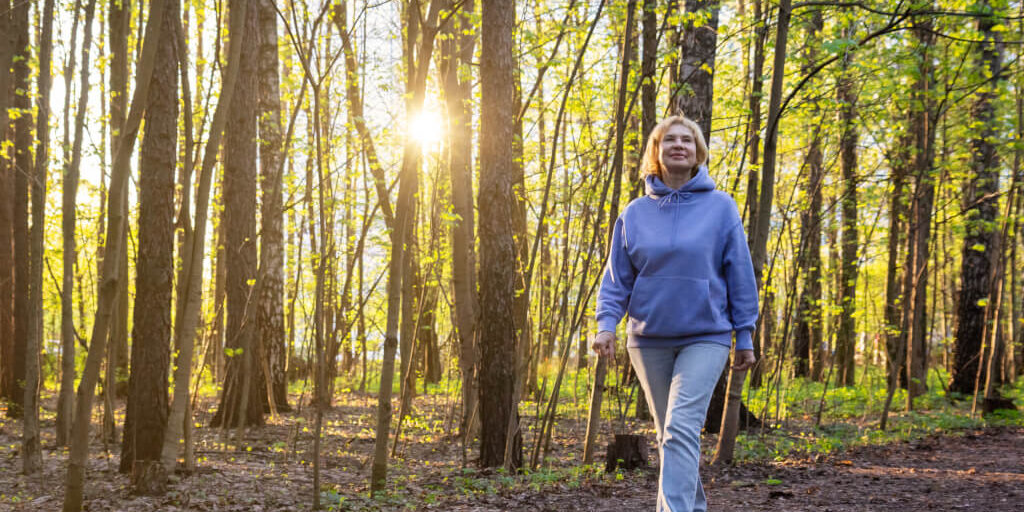
The most effective activities for bone health include weight-bearing exercises such as walking, jogging, and stair climbing; strength training for the arms, shoulders, and spine; and balance-focused movement like yoga or tai chi to help reduce fall risk.
Osteoporosis Is Not an Inevitable Part of Aging
While certain risk factors—such as age, genetics, and family history—cannot be changed, many lifestyle choices can significantly improve bone health.
By improving nutrition, staying physically active, and using supplements when appropriate, it’s never too late to preserve bone density and reduce fracture risk.
Strong bones support a strong, active life—now and for years to come.